
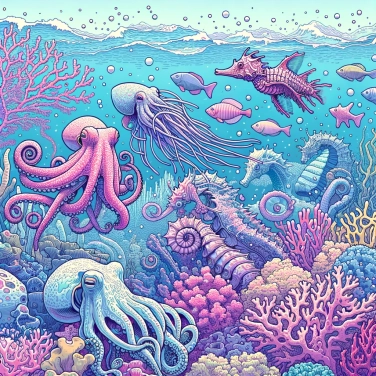
Camouflage in marine species is a key adaptation for surviving against predators or discreetly trapping prey. Those who excel at the art of blending into...
Since the industrial revolution, our activities such as the burning of oil, coal, or deforestation have massively released carbon dioxide (CO₂) into the atmosphere. A...
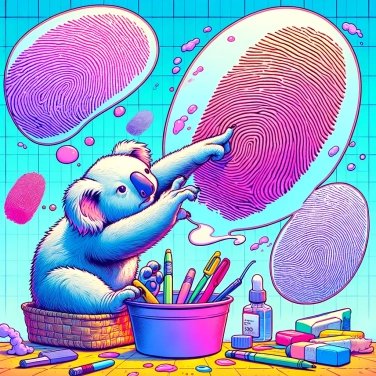
In koalas, just like in us, fingerprints are a great example of evolutionary convergence: that is to say, they appeared independently but in a very...

Glass is essentially made of molten sand, called silica, combined with other substances like sodium carbonate (soda) or calcium carbonate to facilitate its production. Unlike...
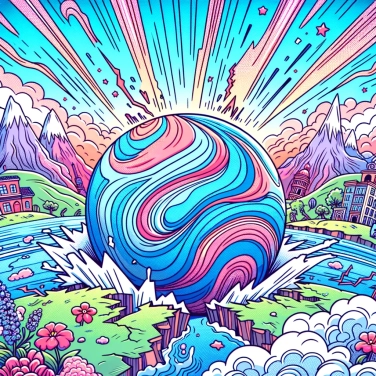
Our Earth's crust is not a fixed structure; it is divided into gigantic pieces called tectonic plates. These plates move slowly across the surface of...

A living soil is essential because organisms such as earthworms, fungi, and bacteria continuously recycle organic matter. Specifically, they decompose dead leaves or other plant...
The Earth rotates on an axis that is not straight like a perfectly vertical top, but slightly tilted at about 23.5 degrees. It is because...

The choice of red in Marie Curie's notebooks was not a coincidence. This color held a certain symbolic importance for her: it evoked both her...
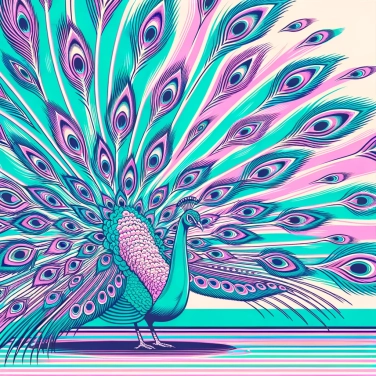
When the peacock spreads its tail, it puts on a grand display to attract females. This behavior is clearly linked to seduction. Basically, the more...
Milk, at first glance, looks like a simple white liquid, but it is actually a super complex mixture composed of 87% water. The rest is...